
 by furqan
“Analyzing the Impact: How Geopolitical Shifts are Recalibrating the Dubai and Abu Dhabi Property Markets”
After years of record-breaking expansion, the UAE property boom is entering a phase of introspection. Recent strikes impacting key infrastructure and residential zones have prompted a re-evaluation of the region’s stability. With concerns of market overheating already in the air, the heavy reliance on offshore investment is under the spotlight. Developers are now adjusting their strategies as the frantic pace of off-plan launches meets a more tempered buyer response.
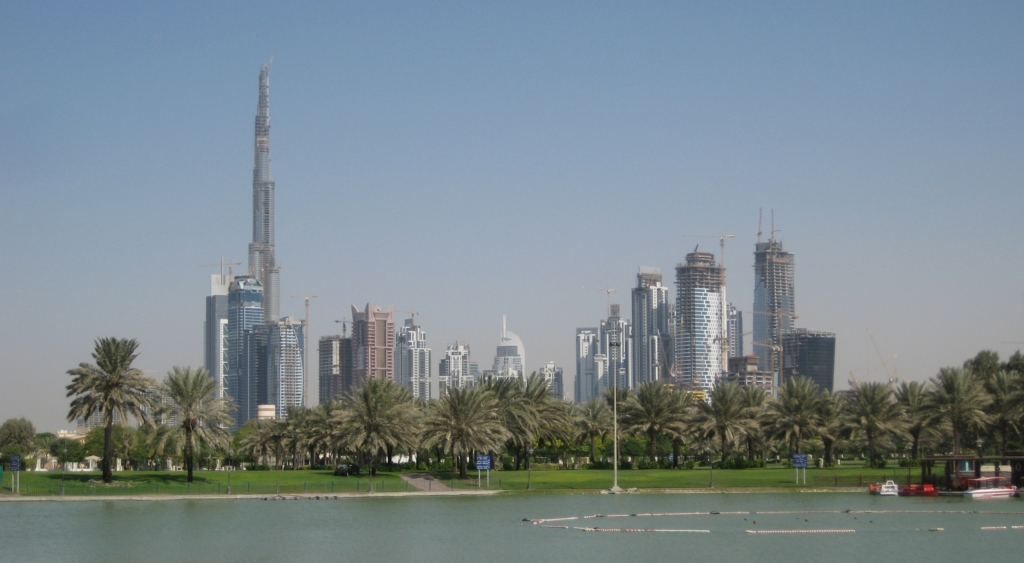
By 2025, the UAE’s population surged past the 11 million mark, with expatriates accounting for nearly 90% of the residency—one of the highest concentrations globally. This demographic boom fueled a massive rally in property values; Fitch reports that Dubai real estate prices skyrocketed by 60% between 2022 and early 2025.
The momentum remained strong through late last year, with CBRE noting a 13% year-on-year increase in Dubai’s residential sector during Q4, while Abu Dhabi saw an even more dramatic rise of nearly 32%. However, experts suggest a shift in focus. Mohammed Ali Yasin, CEO of Ghaf Benefits (a Lunate company), emphasizes that the true market impact will become clear once regional conflicts subside. “The real measure of demand,” Yasin notes, “will be felt in the post-conflict phase.”