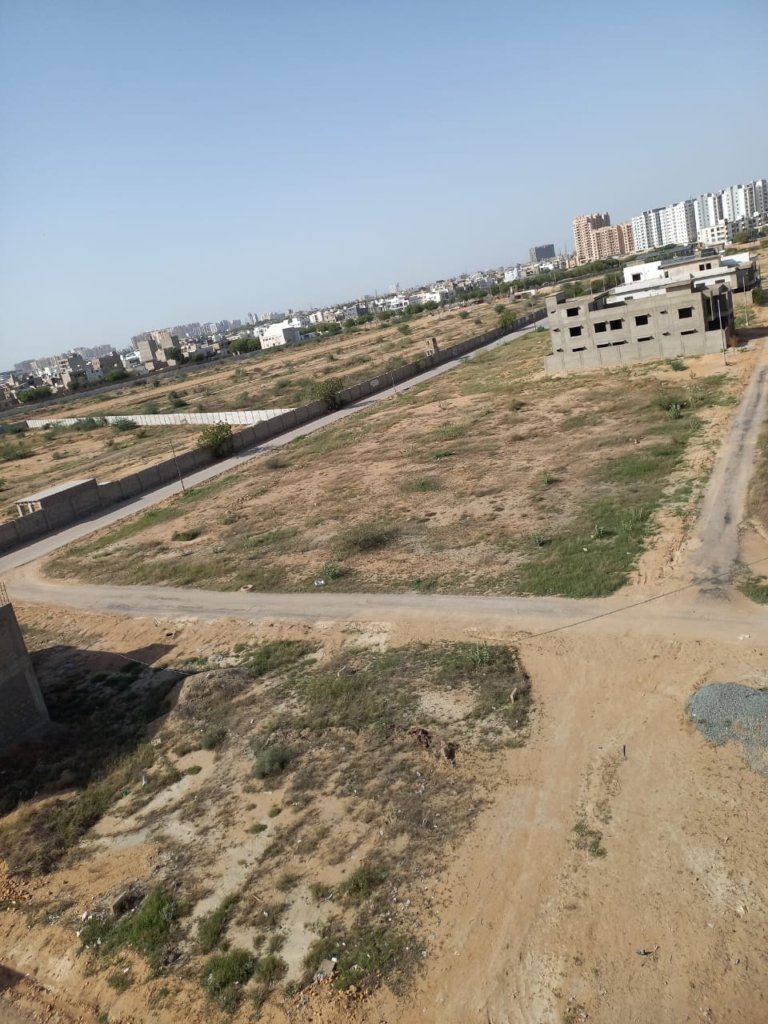
 by furqan
Pakistan’s real estate sector operates on distinct domestic dynamics, heavily influenced by local liquidity, overseas Pakistani remittances, urban migration, and evolving tax regulations. Despite macro-economic adjustments and elevated interest rates, a fundamental housing deficit of over 10 million units continues to drive underlying demand.
Core Market Drivers & Structural Trends
- Overseas Remittances & Diaspora Investment: Non-Resident Pakistanis (NRPs) remain the largest source of external capital for premium residential and commercial projects, leveraging digital banking and direct transfer channels.
- Policy & Tax Realignment: Revisions in Federal Board of Revenue (FBR) valuation tables, withholding taxes, and capital gains tax structures have shifted investor behavior away from speculative land/plot holding toward rental income-generating commercial property and completed vertical residential projects.
- Transition to Vertical Development: Rising land acquisition costs in urban cores (Karachi, Lahore, Islamabad) have forced a structural shift from single-family horizontal plots to high-rise mixed-use complexes, apartments, and gated townships.
Area-by-Area City Breakdown
| City / Hub | Primary Focus | Market Dynamics & Key Corridors |
| Karachi | High-Rise Residential, Mixed-Use & Port Logistics | Strong demand for vertical housing and commercial towers across Clifton, DHA, Scheme 33, and northern expansion corridors. Industrial logistics remain resilient near port facilities. |
| Lahore | Master-Planned Residential & Commercial Hubs | Driven by infrastructure connectivity via the Ring Road; strong absorption in DHA phases, suburban smart city developments, and central commercial hubs. |
| Islamabad / Rawalpindi | Corporate Office, Luxury Living & IT Parks | Capital city stability attracts institutional buyers, diplomatic rentals, and expanding IT/corporate office tenants in CDA sectors and expressways. |
| Secondary Hubs (Peshawar, Faisalabad, Multan) | Industrial & Regional Housing | Industrial growth and localized agricultural wealth drive demand for modern gated residential societies and regional commercial plazas. |
Key Investor & Developer Takeaways
- Income-Generating Assets Over Land Banking: With high capital gains taxes on short-term plot trading, investor interest has pivoted to built properties offering immediate yields or inflation-hedged rental returns.
- Construction Cost Inflation: Currency fluctuations and input material costs have led developers to prioritize phased, well-capitalized projects over speculative large-scale ventures.
- Urban Infrastructure Integration: Connectivity to major transit arteries (ring roads, bypasses, and expressways) remains the single largest determinant of property value appreciation across major metropolitan cities.