
Investing in Pakistan’s real estate market can feel like an exciting prospect. With its dynamic growth and potential for high returns, it’s an attractive option for both local and overseas Pakistanis looking to build wealth or own a piece of home. However, the path to a successful property purchase is often riddled with complexities and potential pitfalls that can intimidate even the most enthusiastic buyer. The landscape can be confusing, with a mix of outdated procedures and modern developments. This guide is designed to cut through that confusion, offering you a clear and simple roadmap to navigate the market’s challenges and secure your investment with confidence.
Navigating Pakistan’s Common Property Hurdles
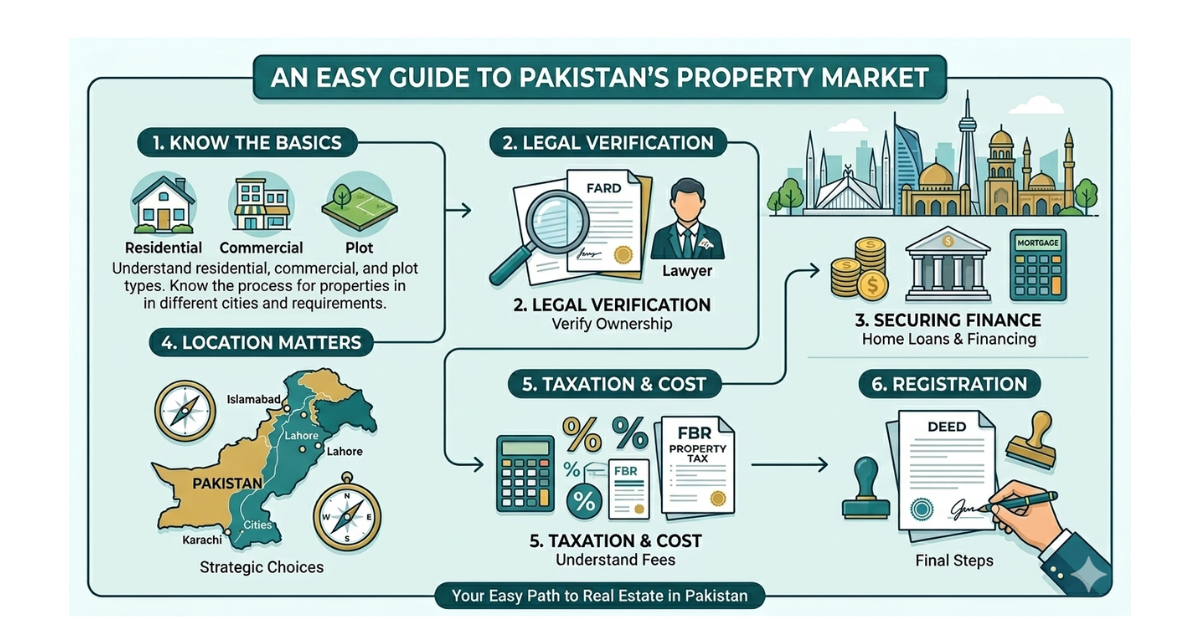
The first step to a smart investment is understanding the obstacles you might face. Pakistan’s property sector, while lucrative, has its fair share of challenges rooted in its documentation processes and a lack of centralized regulation. One of the biggest hurdles is the overwhelming and often convoluted paperwork. Buyers must deal with a variety of documents, such as the fard (proof of ownership), intiqal (mutation of property), registry, and allotment letters, each with its own verification process. These documents are often handled by different government bodies—like the local Development Authority (LDA, KDA, CDA) or the revenue department—making cross-verification a tedious and time-consuming task that can easily lead to errors or oversights.
Beyond the paperwork puzzle, aspiring property owners must be wary of legal loopholes and prevalent scams. The absence of a fully digitized and transparent national land registry makes it easier for fraudulent activities to occur. Common issues include developers launching housing schemes without the necessary No Objection Certificate (NOC) from authorities, making the project illegal, or dishonest sellers selling a single plot to multiple buyers. Land grabbing, known locally as the qabza group issue, is another significant risk where powerful individuals illegally occupy land, leading to lengthy and expensive legal battles for the rightful owner. These problems are particularly daunting for overseas Pakistanis who cannot be physically present to manage every detail.
Finally, the role of the real estate agent can be both a blessing and a curse. While a good agent is an invaluable guide, the industry is largely unregulated, meaning there are no standard qualifications or licenses required to practice. This results in a wide spectrum of professionalism, from highly knowledgeable experts to opportunistic individuals looking for a quick commission. Inexperienced buyers can fall prey to agents who provide misleading information, hide crucial details about a property’s legal status, or use high-pressure tactics to close a sale. Navigating this landscape requires a healthy dose of skepticism and a commitment to doing your own research.
Your Guide to a Safe and Simple Investment
The most powerful tool in your arsenal against these hurdles is thorough due diligence. Never take any document or claim at face value. Before finalizing any deal, you must personally or through a trusted representative verify all property documents with the relevant official bodies. Go to the local development authority’s office to confirm the society’s NOC and the plot’s status. Visit the land revenue office to check the title history and ensure there are no pending lawsuits or claims against the property. Hiring a reputable real estate lawyer is not an expense but an investment in peace of mind; they can scrutinize every clause and piece of paper to ensure your investment is legally sound.
Choosing who you do business with is just as important as choosing the property itself. To avoid falling for illegal housing schemes, stick to projects launched by well-established developers with a solid reputation and a public history of successfully delivered projects. Look for their past work and talk to residents in their previous developments. When it comes to real estate agents, seek recommendations from trusted friends and family. Opt for established agencies with a physical office and a professional online presence over freelance individuals. A credible agent will encourage you to perform due diligence and will provide transparent information, not rush you into a decision.
In today’s digital age, technology can also simplify your journey. A growing number of property-tech platforms in Pakistan now offer verified listings, virtual tours, and valuable market insights, helping you filter out dubious offers from the comfort of your home. These platforms often do their own initial vetting, adding a layer of security. Ultimately, a safe investment is a well-researched one. By combining modern digital tools with the timeless wisdom of professional legal advice and a cautious approach, you can transform a potentially stressful process into a straightforward and rewarding venture.
Pakistan’s property market holds immense promise, but it demands a cautious and informed approach. The challenges—from complex paperwork and legal scams to the unregulated nature of real estate agents—are very real. However, they are not insurmountable. By prioritizing rigorous due diligence, aligning yourself with reputable developers and agents, and leveraging the professional help of a good lawyer, you can effectively mitigate these risks. With the right knowledge and a proactive mindset, you can navigate the market’s intricacies, protect your hard-earned money, and make a successful investment that you can be proud of for years to come.
