
 by furqan
An Exclusive Market Analysis by Apki Property
For years, Karachi’s real estate market has been described as a “sleeping giant”—vast in potential yet held back by systemic hurdles. But as we move through 2026, that giant is officially stirring. The question is no longer whether Karachi’s property sector matters to Pakistan, but how its ongoing revival is actively reshaping the national economy—and how smart platforms are helping investors ride this wave securely.
At Apki Property, we have been tracking these shifts in real-time, witnessing firsthand how a once-speculative market is maturing into a highly structured, yield-driven ecosystem.
The Economic Weight: More Than Just Bricks and Mortar
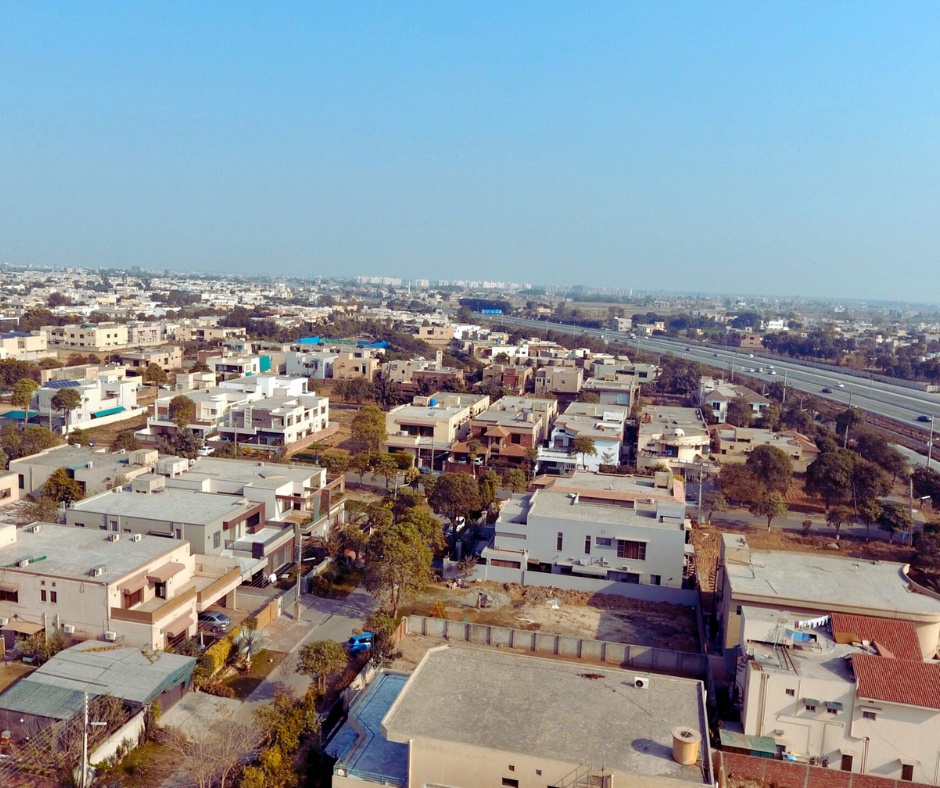
Karachi is Pakistan’s financial capital, its largest city, and its most significant economic contributor. Unsurprisingly, its real estate sector acts as the country’s economic bellwether:
- Massive Employment Hub: It stands as the second-largest employer in Pakistan, trailing only agriculture.
- Trillion-Dollar Valuation: The overall sector is valued at over $1 trillion.
- Industrial Ripple Effect: The construction industry alone links directly to over 70 allied industries. When a project breaks ground, it generates immediate revenue for laborers, architects, engineers, and a massive array of manufacturing and service providers.
- GDP Contribution: While officially estimated at 3-4% of the national GDP, experts suggest the true footprint is substantially higher once informal transactions are accounted for. When Karachi’s property market moves, the entire national economy feels the momentum.
The Changing Scope: A Market in Transformation
The traditional practice of simply buying and flipping raw residential plots is giving way to a far more sophisticated landscape. Through the Apki Property platform, we are observing several defining trends:
1. Infrastructure-Led Growth
Major public transit developments like the Green Line BRT and the Karachi Circular Railway are radically improving urban mobility. This connectivity is driving up property values in newly accessible corridors. Furthermore, the newly announced Greater Karachi Regional Plan 2047 is introducing clearer zoning laws and long-term transport strategies, injecting much-needed regulatory certainty into the market.
2. The Vertical Revolution
Faced with limited horizontal land and an ever-growing population, Karachi is rapidly building upwards. High-rise residential developments and mixed-use commercial projects are becoming the new standard. These vertical communities offer modern amenities, tighter security, and urban convenience—qualities that the new generation of homebuyers actively demands.
3. Mega-Projects & International Investments
Massive international plans—including coastal infrastructure developments and industrial zones—are completely altering the playing field. Initiatives like the Karachi Coastal Development Zone (KCDZ) and the medical city within the Dhabeji Economic Zone are expected to drastically elevate real estate value along the critical Karachi-Hyderabad corridor.
4. Shift Towards Income-Generating Assets
Investors are moving away from short-term speculation and are instead prioritizing long-term, stable rental income. Demand has surged for completed residential units, commercial plazas, and mixed-use spaces that promise consistent yields.
Expectations and Market Positivity: The Winds of Change
Following a prolonged period of market stagnation, current market sentiment is decidedly optimistic. This positivity is backed by concrete data:
- Tax Reforms & Incentives: Recent government measures aimed at reviving the sector—such as adjusting withholding taxes, revising capital gains tax, and rolling out targeted incentives for overseas Pakistanis—have restored significant market liquidity. The Federation of Pakistan Chambers of Commerce & Industry (FPCCI) heavily supported these rollbacks, noting that previous transactional tax barriers were choking market growth.
- Tangible Price Recovery: The rebound is visible on the ground. Premium sectors like DHA Phase 8 and DHA City have posted impressive price increases of 20% to 40%. Additionally, Karachi’s house price index surged by 20.44% year-on-year, significantly outperforming other major Pakistani metropolitan areas.
- Declining Interest Rates: Dropping from historic highs of 22-25% down to the 12-15% range, declining interest rates are making borrowing more affordable, injecting fresh consumer capital into construction and buying.
The Verdict: The Apki Property Take
The data points to a genuine, infrastructure-backed revival driven by policy reforms and sustainable investment practices. However, Apki Property believes in pairing optimism with realism.
The market still faces structural hurdles. Outdated building regulations, bureaucratic development bottlenecks within regional authorities like the Sindh Building Control Authority (SBCA), and a massive nationwide housing shortage (exceeding 10 million units) remain challenges that the country must resolve.
The Investor Strategy
The market is not returning to the uncontrolled speculative frenzy of the past. Instead, it is evolving into a transparent, yield-driven environment. For domestic and overseas investors, the opportunities in Karachi right now are massive—but success will strictly favor those who prioritize transparency, conduct thorough due diligence, and focus on projects with solid architectural and legal fundamentals.
The sleeping giant has awakened. To explore verified listings, track project progress, and secure your piece of Karachi’s future with complete trust, visit www.apkiproperty.com.pk.